
18 May 2026 Research
A decade on: Dr Javier Redondo Muñoz continues to shape the future of Leukaemia research
Ten years after joining the second cohort of Leukaemia UK’s John Goldman Fellowships (JGF), Dr Javier Redondo Muñoz is continuing to shape the future of leukaemia research. Now leading his own team in Madrid, Dr Muñoz’s latest work explores an emerging question in cancer biology: can the physical environment surrounding leukaemia cells change how the disease behaves? There have been several studies and ongoing research into the environment surrounding cells and what effect this and the nutrients have on cells.
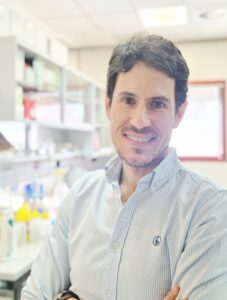
Dr Javier Redondo Muñoz
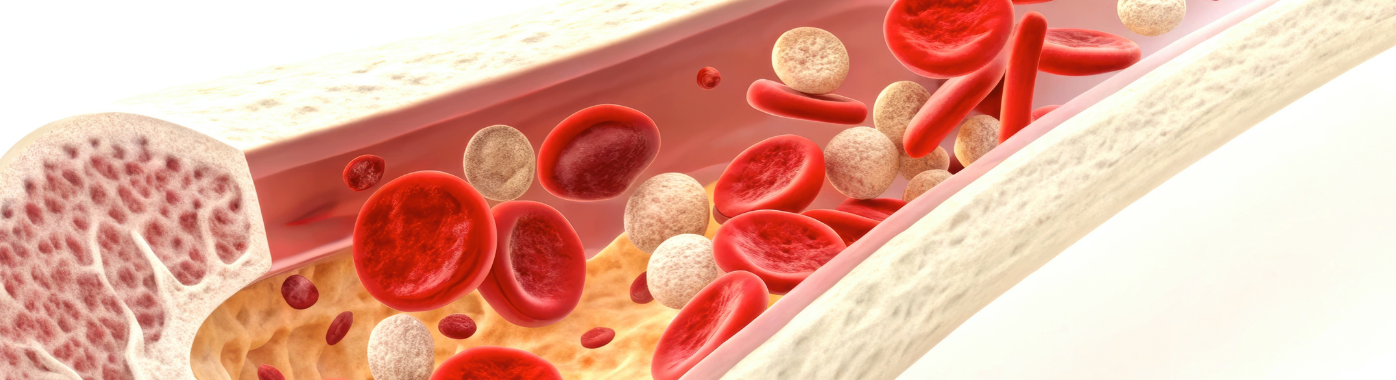
Leukaemia is a type of blood cancer that originates in the bone marrow, where blood cells are normally produced. At the centre of the disease are leukaemic stem cells, the cells responsible for generating and sustaining the cancer over time.
These cells do not exist in isolation. They are constantly influenced by the complex physical and biological environment of the bone marrow, including the surrounding cells, structures, and mechanical forces within the tissue itself.
Understanding exactly how this environment shapes leukaemia cell behaviour has been one of the major challenges in leukaemia research. The bone marrow is an incredibly dynamic and difficult environment to recreate in the laboratory, making it hard for researchers to fully study how leukaemic stem cells grow, adapt, survive, and respond to treatment.
For decades, cancer research has largely focused on genetics and the molecular signals that drive disease. But growing evidence suggests that cancer cells are also heavily influenced by the physical spaces they move through – including pressure, stiffness, and confinement within tissues. Dr Muñoz and his team wanted to understand whether these physical stresses could leave lasting effects on leukaemia cells.
To investigate this, the researchers studied Jurkat leukaemia cells – lab grown T-cell leukaemia cells – grown within dense 3D collagen matrices designed to mimic the crowded and restrictive environments cells experience inside the body. Most cells struggled to survive these conditions. However, a small population adapted and survived.
What the team found next was particularly striking. Even after these “survivor” cells were removed from the confined environment, they retained long-term changes. The cells developed abnormal and wrinkled nuclei – the brain of the cell – altered patterns of gene activity, increased DNA damage, and changes in how they mechanically responded to stress. In essence, the cells appeared to “remember” the environment they had experienced.
This phenomenon is known as mechanical memory, the idea that physical forces can leave a lasting biological imprint on cells. The study suggests that the environments cancer cells travel through may permanently influence how they behave, adapt, and potentially respond to treatment.
The researchers also identified important molecular pathways involved in these changes which appear to influence nuclear structure and cell behaviour under mechanical stress. By combining advanced imaging, biomechanics, and molecular biology techniques, the team demonstrated that the tumour environment is far from passive, in fact it actively shapes cancer cell biology.
So why does this matter for patients?
Understanding leukaemia is about far more than identifying genetic mutations. Research like this highlights that the physical environment surrounding cancer cells may also contribute to disease progression, tumour diversity, and treatment resistance. By uncovering how mechanical stress alters cancer cells, scientists may one day be able to develop therapies that target not only the genetics of leukaemia, but also the physical processes helping cancer survive and adapt.
While this work is still at an early stage and was carried out using laboratory models, it opens an important new avenue of research into how leukaemia develops and persists. It also demonstrates the long-term impact of supporting early-career researchers.
A decade ago Dr Javier Redondo Muñoz was awarded his John Goldman Fellowship to explore how leukaemia cells sense and respond to their surroundings in ways that help them move through the body; Dr Muñoz described the JGF as allowing him ‘to study how cell receptors and integrins might control nuclear changes in acute leukaemia cells’. It is fantastic to see how Dr Muñoz is continuing to lead innovative research that is deepening our understanding of the leukaemia microenvironment and bringing us closer to new approaches for tackling blood cancer, while also mentoring and inspiring the next generation of researchers.
When asked about the impact of his JGF Dr Muñoz said, ‘I have to thank Leuka (Leukaemia UK, currently) for the opportunity to start, first at the University of Manchester and then through a secondment in Madrid, leading and establishing my independent research group. For me, the JGF represents the kind of initiative that provides crucial support during the transition from senior postdoc to independence.
Furthermore, being awarded a JGF has had a significant impact on my career, representing a major milestone on my CV and increasing my visibility within the haematology field both in the UK and Spain.’
At Leukaemia UK, it is incredibly rewarding to see the lasting impact of the John Goldman Fellowship programme a decade on, with researchers like Dr Javier Redondo Muñoz continuing to drive forward innovative discoveries that have the potential to improve the lives of people affected by leukaemia.
Not enough? Read the paper here.
Related posts
26 January 2026
The latest developments and our response
The government is set to launch the National Cancer Plan for England on 4th February. We are urging policymakers to ensure it delivers meaningful change specifically for people with leukaemia….
25 November 2025
Improving access to life-changing treatment – Leukaemia UK’s role in the approval of Aucatzyl
Today, NICE announced its recommendation for Aucatzyl (obecabtagene autoleucel), a CAR-T therapy, to be made available on the NHS for treating adults aged 26 and over with relapsed or refractory…
1 August 2022
A research breakthrough targets cancer over healthy tissue, bringing possibility of a new treatment option for most deadly type of leukaemia
A new scientific paper published on 22nd June in Science Translational Medicine, announced a breakthrough by Leukaemia UK-funded scientist Dr William Grey that could lead to a vital new treatment option for…