
Unexplained bruising or bleeding: could it be a sign of leukaemia?
In leukaemia, low platelet levels can make bruising and bleeding more likely even without an obvious cause.

At a glance
- Unexplained or unusual bruising and bleeding can sometimes be a sign of leukaemia
- In leukaemia, low platelet levels mean the blood cannot clot properly, making bruising and bleeding more likely
- In most cases, bruising will not be caused by leukaemia but if it is unusual for you, persistent, or accompanied by other symptoms, see your GP
- When you see your GP, ask specifically for a full blood count test

In people with leukaemia, abnormal white blood cells crowd out healthy platelets in the bone marrow. Platelets are responsible for clotting, so when levels fall, the blood cannot stop bleeding as effectively, making bruising and bleeding more likely.
Why does leukaemia cause bruising and bleeding?
Leukaemia develops in the bone marrow, where all blood cells including platelets are made. As abnormal leukaemia cells multiply, they crowd out the healthy blood cells the body needs to function. When platelet levels fall below normal, a condition called thrombocytopenia, the blood loses some of its ability to clot. This means that even minor knocks can cause bruises, small cuts may bleed for longer than expected, and bleeding can occur without any obvious injury at all.
This is different from the bruising most people experience day to day, which typically has a clear cause and fades within a week or two. Leukaemia-related bruising tends to appear without explanation, occur in unusual places, and happen alongside other symptoms such as persistent fatigue, frequent infections, or night sweats.

What might unusual bruising or bleeding look like?
Signs to be aware of include:
- Bruises that appear without a clear cause
- Bruising more easily than usual
- Having several bruises at the same time
- Bruises that seem larger than expected or take longer than usual to fade
- Bruising in unusual places, such as the back, hands or face
- Frequent nosebleeds or bleeding gums
- Heavier or longer menstrual bleeding than usual
- Small red or purple spots on the skin (petechiae), which can look like a rash and are caused by tiny areas of bleeding under the skin
These symptoms may sometimes occur alongside other possible signs of leukaemia, such as persistent fatigue, frequent infections, fever, or unexplained weight loss.
When should you see a GP about bruising or bleeding? 👩🏽⚕️
You should speak to your GP if you notice:
- Unexplained bruising or bleeding with no clear cause
- Bruising that happens more often or more easily than usual
- Symptoms that persist for several weeks
- Bruising or bleeding together with other symptoms such as fatigue, night sweats, or frequent infections
When you see your GP, ask specifically for a full blood count test. This is a simple blood test that checks the levels of different blood cells, including platelets, and can help identify whether an underlying condition may be causing your symptoms.
In most cases, bruising or bleeding will not be caused by leukaemia but persistent or unusual symptoms should always be checked.

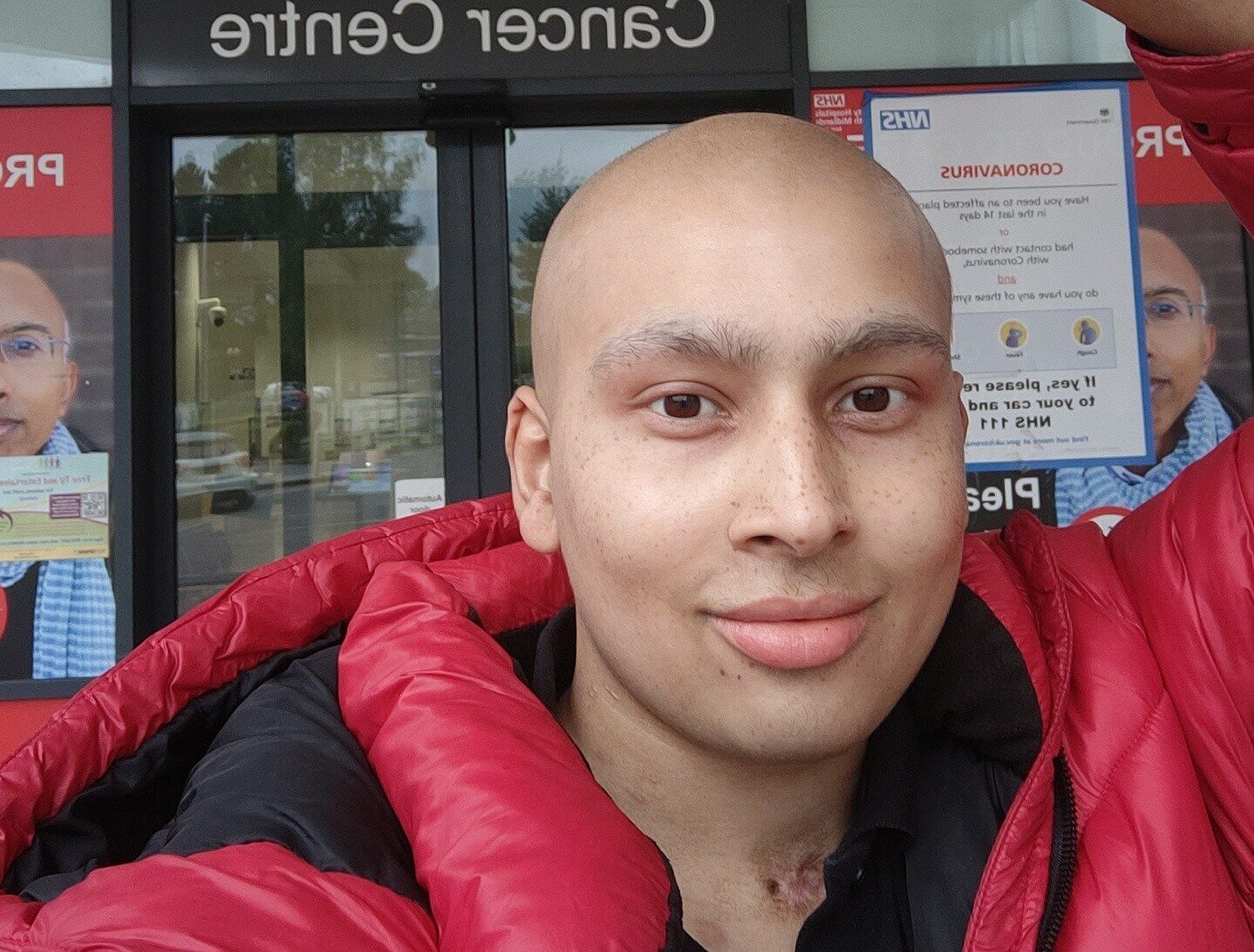
Mooni’s story
Mooni had always been fit and healthy before his symptoms began to emerge. Fatigue and noticeably pale skin were the first signs that something was wrong. While abroad, he fell ill, convinced at the time that it was food poisoning, and booked an emergency flight home. He also began to develop unexplained bruises.
Frequently asked questions about leukaemia and unexplained bruising or bleeding
No. Unexplained bruising has many possible causes, including vitamin deficiencies, certain medications such as blood thinners, clotting disorders, and ageing skin. In most cases, it will not be related to leukaemia. However, if bruising is unusual for you, appears alongside other symptoms, or persists without explanation, it is worth speaking to your GP.
Leukaemia related bruises look similar to ordinary bruises, they are typically blue, purple, or yellow in colour but they tend to appear without a clear cause, occur in unusual places such as the back, face or hands, and may be larger than expected. Small red or purple pinprick spots on the skin, called petechiae, can also appear and are caused by tiny bleeds under the skin. Petechiae do not fade when pressed, which distinguishes them from some other types of rash.
Petechiae are small red or purple spots caused by bleeding under the skin. They can appear anywhere on the body and are often clustered together, giving the appearance of a rash. They are caused by low platelet levels, which can occur in leukaemia, but also in other conditions. If you notice unexplained pinprick spots on your skin, particularly alongside other symptoms, you should see your GP.
Bleeding gums can be a sign of low platelet levels, which is one of the effects of leukaemia on the blood. However, bleeding gums are more commonly caused by gum disease or brushing too hard. If your gums bleed frequently and you have no obvious dental cause, or if it occurs alongside other symptoms such as fatigue or unexplained bruising, it is worth mentioning to your GP.
In some cases, yes, particularly in slower growing types such as chronic lymphocytic leukaemia (CLL), where symptoms can develop gradually and subtly over time. Some people are diagnosed after a routine blood test reveals a low platelet count before they have noticed significant symptoms. This is why unusual or persistent bruising should always be investigated, even if you feel otherwise well.


Disclaimer: While we are able to highlight the common signs and symptoms of leukaemia, these symptoms are often caused by other medical conditions. As a charity we are not able to give specific medical advice to patients, but if you have any concerns contact your GP.
Last reviewed: June 2026