
25 Nov 2025 Policy
Improving access to life-changing treatment – Leukaemia UK’s role in the approval of Aucatzyl
Today, NICE announced its recommendation for Aucatzyl (obecabtagene autoleucel), a CAR-T therapy, to be made available on the NHS for treating adults aged 26 and over with relapsed or refractory B-cell acute lymphoblastic leukaemia (B-ALL). This announcement marks a significant milestone in making innovative treatments accessible to patients with leukaemia.
The therapy is developed and manufactured in England by Autolus, a spin-out from University College London. Having both research and production of Aucatzyl based here in the UK supporting continued growth of cell therapy innovation.
CAR-T therapy is a groundbreaking form of personalised immunotherapy treatment in a patient’s own immune cells are reprogrammed to target and destroy specific cancer cells. For people with B-ALL, Aucatzyl offers a new and potentially life-saving treatment option.
Aucatzyl has a unique design that provides an encouraging profile of safety and long-term durability. Importantly, some patients may be able to receive the therapy on an outpatient basis – meaning they could potentially access this life-changing treatment without a hospital stay, making the experience more convenient and comfortable during, what is often, an incredibly challenging time.
Autolus, a spin-out company from University College London, develops and manufactures this therapy in England. Having both research and production based here supports the continued growth of cell therapy innovation in the UK.
The medicines approval process
When a new medication is developed and approved as safe by the Medicines and Healthcare products Regulatory Agency (MHRA), it does not automatically become available on the NHS. In England, the National Institute for Health and Care Excellence (NICE) carefully reviews each new treatment through a process called a Health Technology Appraisal (HTA).
NICE evaluates the evidence on how effective the treatment is, whether it offers good value for money and what difference it could make to the lives of patients. Only once NICE issues a positive recommendation can a treatment be routinely offered by the NHS in England. Wales and Northern Ireland are expected to follow NICE’s recommendation and make this treatment available, though their processes can sometimes take longer than in England.
At Leukaemia UK, we are pleased to have played a pivotal role in the HTA process for Aucatzyl.
We worked closely with clinical experts and partner organisations to ensure that patient voices remained central to the decision-making. Together, we submitted joint evidence and participated in committee meetings to emphasise the real-world impact of CAR-T therapies like Aucatzyl.
We are especially proud of the involvement of Leukaemia UK’s patient representative, Lizzie Spear, who participated in every committee meeting. She shared her personal experience with CAR-T therapy, highlighting both its challenges and transformative benefits, while offering valuable insights into the potential impact of Aucatzyl, including what the possibility of ambulatory treatment would have meant to her.
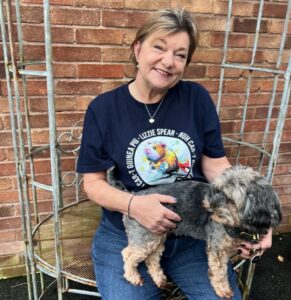
Following the decision, Lizzie said: “I am completely delighted by this fantastic news. It gives hope to all of us that have already gone through tough treatments like chemotherapy, radiotherapy and stem cell transplants.
While I am currently in remission, the thought of another relapse is always hanging over my head and knowing that there could be alternative treatment available on the NHS is so reassuring. I feel very pleased to have been part of this process, it will make a difference to the lives of so many people.”
What this recommendation means for patients
Building on NICE’s decision, it’s important to recognise what this means for the people at the heart of this announcement. For many people living with leukaemia, access to innovative treatments can mean the difference between relapse and recovery. NICE’s positive recommendation for Aucatzyl means that more patients with B-ALL will now have access to a potentially life-saving therapy on the NHS. The NHS will have to make this available within the next 90 days.
Aucatzyl is a form of CAR-T therapy, which works by engineering a patient’s T cells to recognise and attack cancer cells through a synthetic receptor. What makes Aucatzyl distinct is that its CAR has a “fast off-rate” binding mechanism: its CAR binds to the CD19 protein on cancer cells just long enough to activate the T-cell, then quickly disengages. This brief interaction mimics the natural way T-cells engage their targets, helping to reduce toxicity while improving the persistence and effectiveness of the CAR-T cells in the body.
For patients who are older or have existing medical conditions, this type of CAR-T therapy offers a great alternative. Then potential for ambulatory (outpatient) administration is especially significant – bringing the possibility of receiving treatment closer to home and making it more accessible to everyone who needs it.
At Leukaemia UK, we remain committed to supporting innovation in leukaemia treatment and ensuring that patients’ voices continue to shape national health decisions, so that everyone affected by leukaemia can access the best possible care. Following the positive NICE recommendation in England, our focus now shifts to how this new therapy will be implemented across the country, as well as what comes next for the rest of the UK.
Autolus intends to seek approval in Scotland next, and recognising the power of patient voices, we will work to bring this perspective into future discussions. We will begin exploring suitable patient representatives in Scotland who have previously received CAR-T therapy.
If you are a Scottish resident who has received CAR-T therapy for leukaemia, and would like to help us advocate for bringing this treatment to Scotland:
“We are delighted that NICE has recommended Aucatzyl (obecabtagene autoleucel), a CAR-T cell therapy, for use on the NHS when treating relapsed or refractory B-cell acute lymphoblastic leukaemia. This marks a significant step forward in expanding treatment options for people living with leukaemia. Aucatzyl offers a novel mechanism designed to improve safety and durability of response and can be delivered in outpatient settings which enhances both comfort and convenience for patients.
“This milestone reflects the power of collaboration, with Leukaemia UK, Anthony Nolan and Leukaemia Care having worked together to ensure patient voices were central to the NICE evaluation. We’re especially proud of our patient representative, whose compelling testimony helped shape the final decision. Leukaemia UK is proud to have contributed to this outcome and we remain committed to supporting innovation and improving access to treatments that bring hope to those affected by leukaemia.”
Fiona Hazell, CEO, Leukaemia UK
Related posts
8 December 2023
Family ‘devastated’ by leukaemia after double diagnosis say ‘so much more needs to be done’
57-year-old Hampshire resident Karen Cracknell is supporting Leukaemia UK’s appeal for funds this Christmas, having experienced the ‘devastating impact’ after both her mother and father were diagnosed with blood cancer. …
6 February 2012
Blood cancer: Top tips for keeping mentally healthy
Keeping mentally healthy when you have a blood cancer can be challenging, but there are lots of things you can do to help keep yourself psychologically well. Here, the Leukaemia UK Mind & Body team share top tips they offer to the patients they support
7 November 2024
University of Southampton’s Dr Giorgia Chiodin Wins Olive Boles Innovation Award
Dr Giorgia Chiodin from the University of Southampton has been awarded the prestigious Olive Boles Innovation Award for 2024. Awarded annually to a Leukaemia UK John Goldman Fellow, this award…
18 September 2025
1 in 4 leukaemia patients in England experiences an avoidable delay in diagnosis
A first of its kind study, commissioned by Leukaemia UK, has revealed that a quarter (26%) of leukaemia patients in England experience avoidable delays in their diagnosis, resulting in a…