
Leukaemia in children: What are the signs and symptoms?
Leukaemia is the most common childhood cancer. Knowing the signs could make all the difference.

At a glance
- Leukaemia accounts for around a third of all cancers in children under 15
- The most common types in children are acute, meaning symptoms can develop quickly
- Symptoms in children are similar to adults but can also include bone pain, abdominal swelling, and unexplained vomiting
- Many symptoms are common in other childhood illnesses but if they are persistent, unusual, or getting worse, speak to your GP
- A full blood count is a simple blood test your GP can arrange if leukaemia is suspected

Leukaemia starts in the bone marrow, where an overproduction of abnormal white blood cells crowds out healthy blood cells, making it harder for the body to fight infection, carry oxygen and stop bleeding. The most common types of leukaemia in children are acute, which is why it is important to know what to look out for and act quickly if something doesn’t feel right.
What are the symptoms of leukaemia in children?
Possible symptoms of leukaemia in children include:
- Persistent fatigue or feeling tired all the time
- Frequent or recurring infections, or flu-like symptoms that won’t clear up
- Unexplained bruising or bleeding, or small red or purple spots on the skin (petechiae)
- Pale skin
- Bone or joint pain that doesn’t go away, or pain that wakes your child in the night
- Abdominal pain or swelling that persists
- Unexplained high temperature or fever
- Night sweats
- Shortness of breath
- Loss of appetite or unexplained weight loss
- Unexplained vomiting
- Blood in urine, or difficulty passing urine
Many of these symptoms are common in other childhood illnesses and are usually caused by something less serious than leukaemia. However, if your child has symptoms that are persistent, unusual, or getting worse, it is important to speak to your GP. If something doesn’t feel right, always seek medical advice.
What types of leukaemia affect children?
The most common types of childhood leukaemia are:
- Acute Lymphoblastic Leukaemia (ALL) — the most common type in children, accounting for the majority of childhood leukaemia cases
- Acute Myeloid Leukaemia (AML) — less common than ALL but can affect children of any age
- Juvenile Myelomonocytic Leukaemia (JMML) — a rare type that mainly affects young children under five
All three tend to develop and progress quickly. Early diagnosis and treatment is important.

Frequent infections in children
Children often pick up infections, particularly when they are young or starting school or nursery, this is usually normal as their immune system is still developing. However, infections that keep coming back, are unusually severe, or are difficult to shake off may be worth investigating further.
In childhood leukaemia, frequent infections occur because abnormal white blood cells crowd out the healthy white blood cells the immune system needs to fight bacteria and viruses. Although leukaemia causes an overproduction of white blood cells, these cells are abnormal and cannot do their job properly.
Signs that infections may be worth investigating include:
- Getting infections very frequently or more than would be expected for their age
- Struggling to recover from infections or taking longer than usual to get better
- Needing antibiotics repeatedly
- Seeming unusually tired or unwell alongside infections
Bone and joint pain in children
Children often experience aches and pains as they grow, especially after being active. However, ongoing or unusual bone or joint pain can sometimes be a sign that something isn’t quite right.
In childhood leukaemia, bone pain occurs because the bone marrow, the soft tissue inside bones where blood cells are made becomes crowded with abnormal blood cells. This pressure inside the bones and joints can cause persistent discomfort or pain. Unlike the growing pains many children experience, leukaemia-related bone pain tends to be persistent, may affect multiple areas, and can be severe enough to wake a child from sleep.
Signs that bone or joint pain may be worth investigating include:
- No obvious cause such as an injury or fall
- Persists for more than a few weeks
- Severe enough to disturb sleep
- Occurs alongside other symptoms such as fatigue, fever, or unexplained bruising
When should you see a GP?
You should speak to your GP if your child has symptoms that are persistent, unexplained, or unusual for them, particularly if they have more than one of the symptoms listed on this page. Your GP can arrange a full blood count, a simple blood test that checks the levels of different blood cells and can help identify whether further investigation is needed.
In most cases, these symptoms will not be caused by leukaemia. But if something doesn’t feel right for your child, always seek medical advice. Early diagnosis makes a significant difference to outcomes.

Vinnie’s story
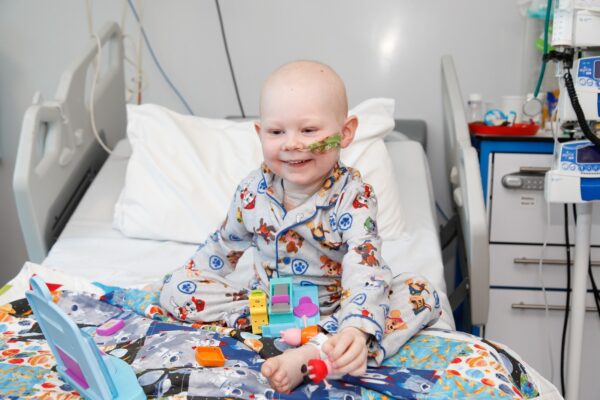
Vinnie was diagnosed with precursor B-cell acute lymphoblastic leukaemia (ALL) when he was only 4 years old.
His diagnosis changed his family’s life forever. Walking onto the ward that day, they had no idea what lay ahead or how alone they would feel. Along the way, they met the strongest parents and bravest children, forming friendships that would last a lifetime.
Frequently asked questions about leukaemia in children
Many of the symptoms are similar including fatigue, frequent infections, unexplained bruising, and night sweats. However, children with leukaemia are more likely to experience bone and joint pain, abdominal swelling, and unexplained vomiting than adults. Children are also more likely to have acute types of leukaemia, where symptoms can develop and progress more quickly than in the slower-growing types more common in adults.
Acute Lymphoblastic Leukaemia (ALL) is the most common type of leukaemia in children and the most common childhood cancer overall. It develops when the bone marrow produces too many abnormal lymphoblasts, immature white blood cells that cannot fight infection properly. ALL is most common in children between the ages of two and five, though it can occur at any age.
Because the most common types of childhood leukaemia are acute, symptoms can develop over a matter of weeks and may worsen relatively quickly. This is different from chronic types of leukaemia, which are more common in adults and can develop slowly over months or years. If your child develops symptoms that are progressing quickly or feel unusual, it is important to seek medical advice promptly rather than waiting to see if they improve.
If you are concerned about your child’s symptoms, speak to your GP as soon as possible. You do not need to wait for multiple symptoms to appear, if something feels wrong, seek advice. Ask your GP specifically for a full blood count test, which can help identify abnormalities in the blood. Try to keep a note of your child’s symptoms, when they started, and whether they are getting worse, as this will help your GP assess the situation.


Disclaimer: While we are able to highlight the common signs and symptoms of leukaemia, these symptoms are often caused by other medical conditions. As a charity we are not able to give specific medical advice to patients, but if you have any concerns contact your GP.
Last reviewed: June 2026