Your donation can make Christmas shine brighter for a child facing leukaemia


Leukaemia is the most common childhood cancer
ALL is a type of cancer that affects the blood and bone marrow. It occurs when the body produces too many immature white blood cells, known as lymphoblasts, which crowd out normal cells and stop the blood from functioning properly.
Symptoms of childhood leukaemia
The five most commonly reported symptoms of childhood leukaemia are:
- Tiredness or fatigue
- Fever
- Pallor (paleness)
- Bleeding, bruising, or petechiae (small red or purple spots)
- Loss of appetite
Freddie’s Christmas story
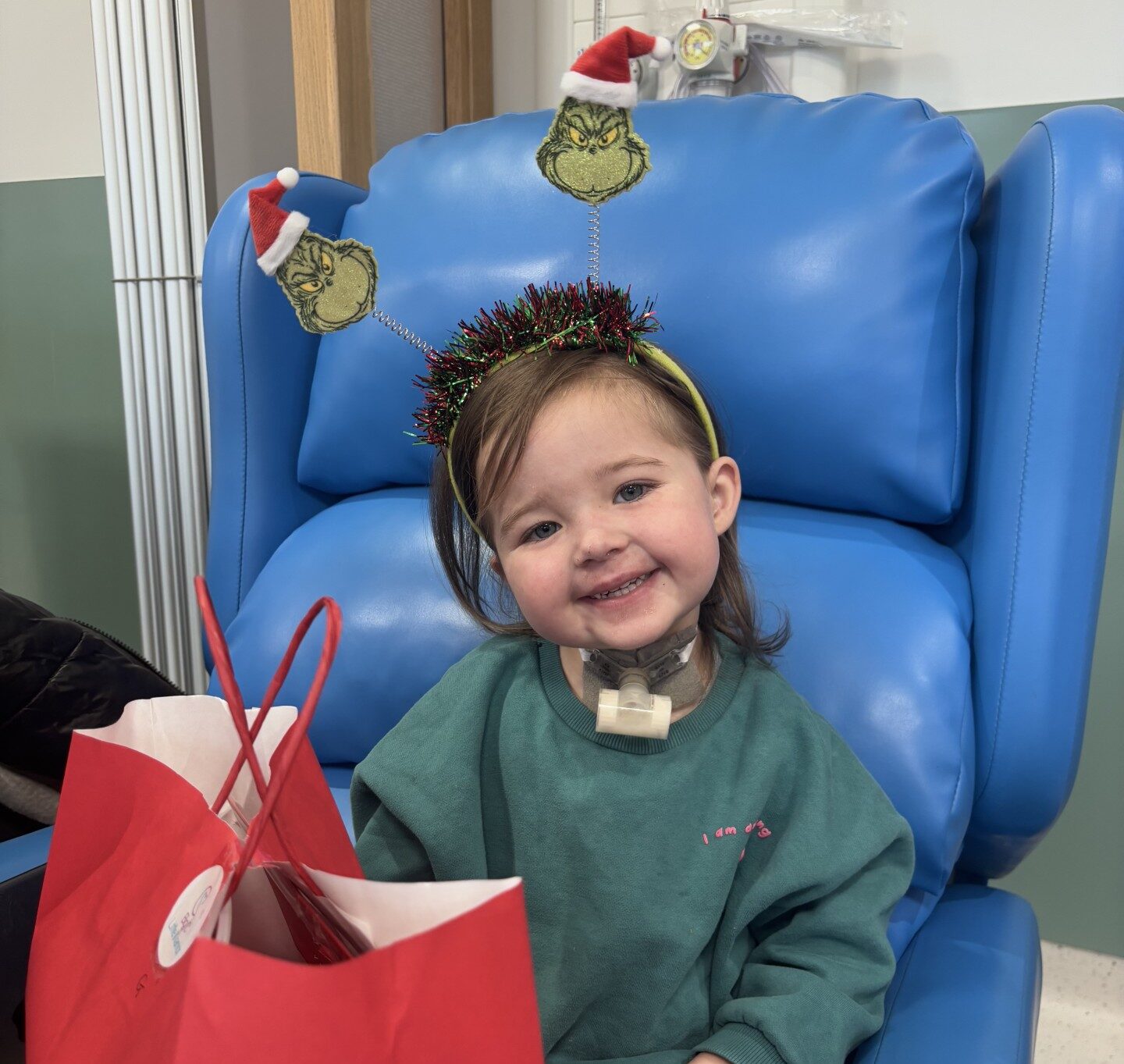
Freddie was diagnosed with leukaemia at only 4 years old.
“This Christmas will be special. Freddie is just amazing. He tries so hard at school and deserves a Christmas where he doesn’t have to be in hospital” says Freddie’s dad.
During the first few Christmases after Freddie’s diagnosis, the family feared that he would end up in the hospital. The third Christmas was the hardest of all; he was admitted before the holiday, again afterward, and once more on his birthday and New Year’s.
How your donation helps children like Freddie
Make Christmas shine brighter for a child facing leukaemia.
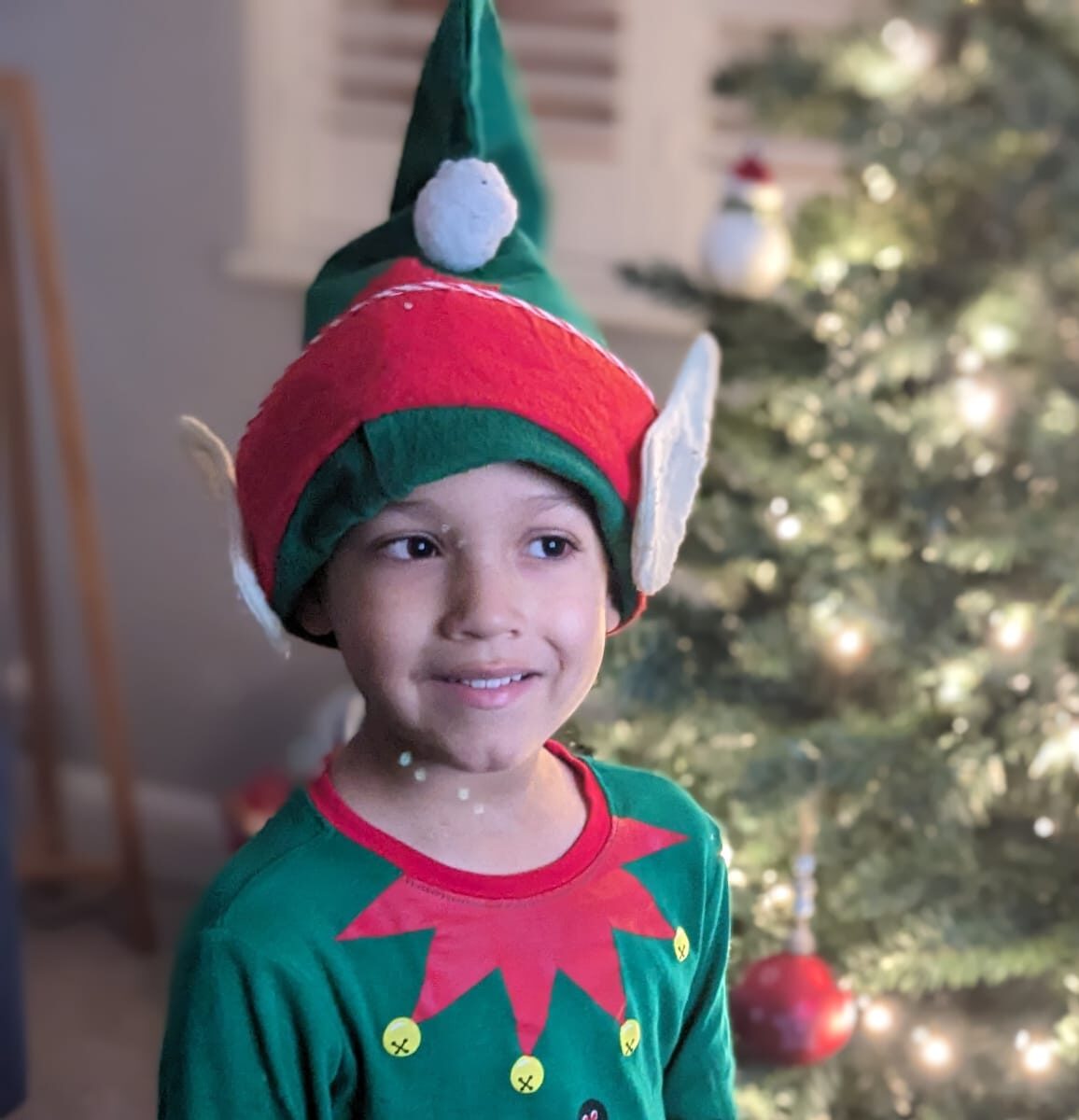
I’m so pleased Leukaemia UK is there. Research is making children’s lives so much better. I want the day to come when they don’t even remember having their treatment.
Lizzie
Freddie’s mum
Better, kinder treatments for children are possible.
Donate to fund life-changing research
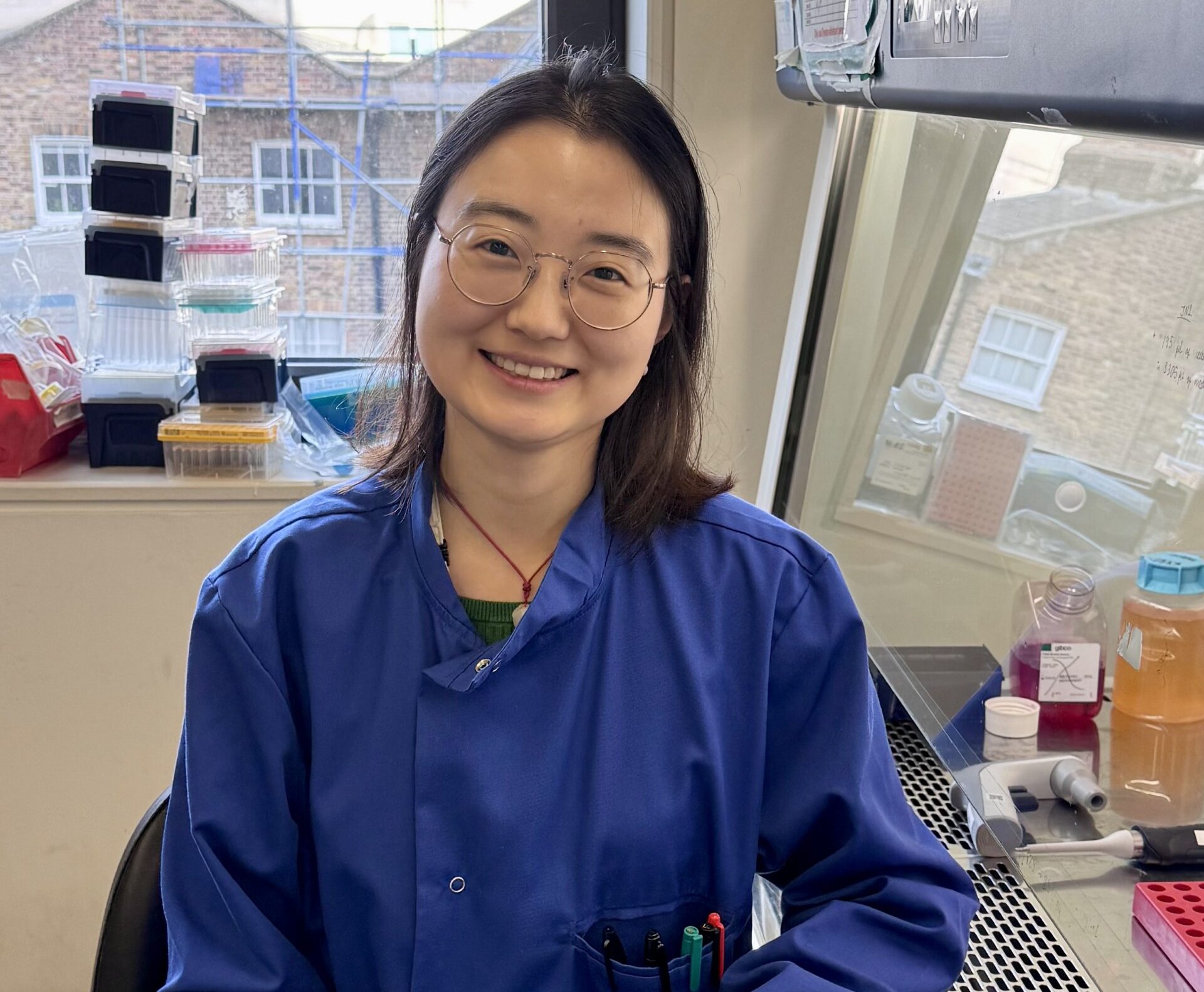
We’re funding projects like that from Dr Yang Li (University of College London), that focus on revealing new approaches for T-ALL, a highly aggressive blood cancer often impacting children.
Without donations from people like you, research like this simply would not be possible.
Donate today and stop leukaemia devastating children’s lives.
£10 could allow a researcher to grow leukaemia cells in the lab to test new drugs for 1 week.
£20 could buy 20 slides to study leukaemia cells under a microscope to reveal how they are reacting to potential new treatments
£50 could buy an enzyme to join pieces of DNA together to enable researchers to discover what a specific gene does.
You can make Christmas shine brighter for children